An interview haircut is not a makeover. The goal is narrower and more useful: walk in looking like the tidy version of yourself, on a day when a stranger is deciding how careful you are. In Clover, that usually means a conservative version of your normal cut, timed a few days ahead, checked the way an interviewer or a camera will actually see it.
Last minute experiments are the main risk. A new style, a much shorter cut, or a first time fade the day before an interview adds a variable you do not need. The checklist below is built to remove variables, in order, so the morning of the interview your hair is the one thing not asking for attention.
The interview haircut checklist
Interview cut, checked in order
- Timing passes: the cut is booked 3 to 5 days before the interview, so it settles and any redness fades.
- Style passes: it is a conservative version of your usual cut, not a new style you have never worn.
- Sides pass: neat around the ears and collar, with no overhang that reads untidy in profile.
- Neckline passes: clean and natural, checked in a mirror from behind, since interviewers see you leave too.
- Beard or shave plan passes: either a shaped beard with clean edges or a proper shave, not two days of drift.
- Camera pass: on a video call test, the top is not spiked by overhead light and the part sits where you set it.
- Product pass: a small amount, matte, nothing wet looking or flaky on the shoulders of a dark jacket.
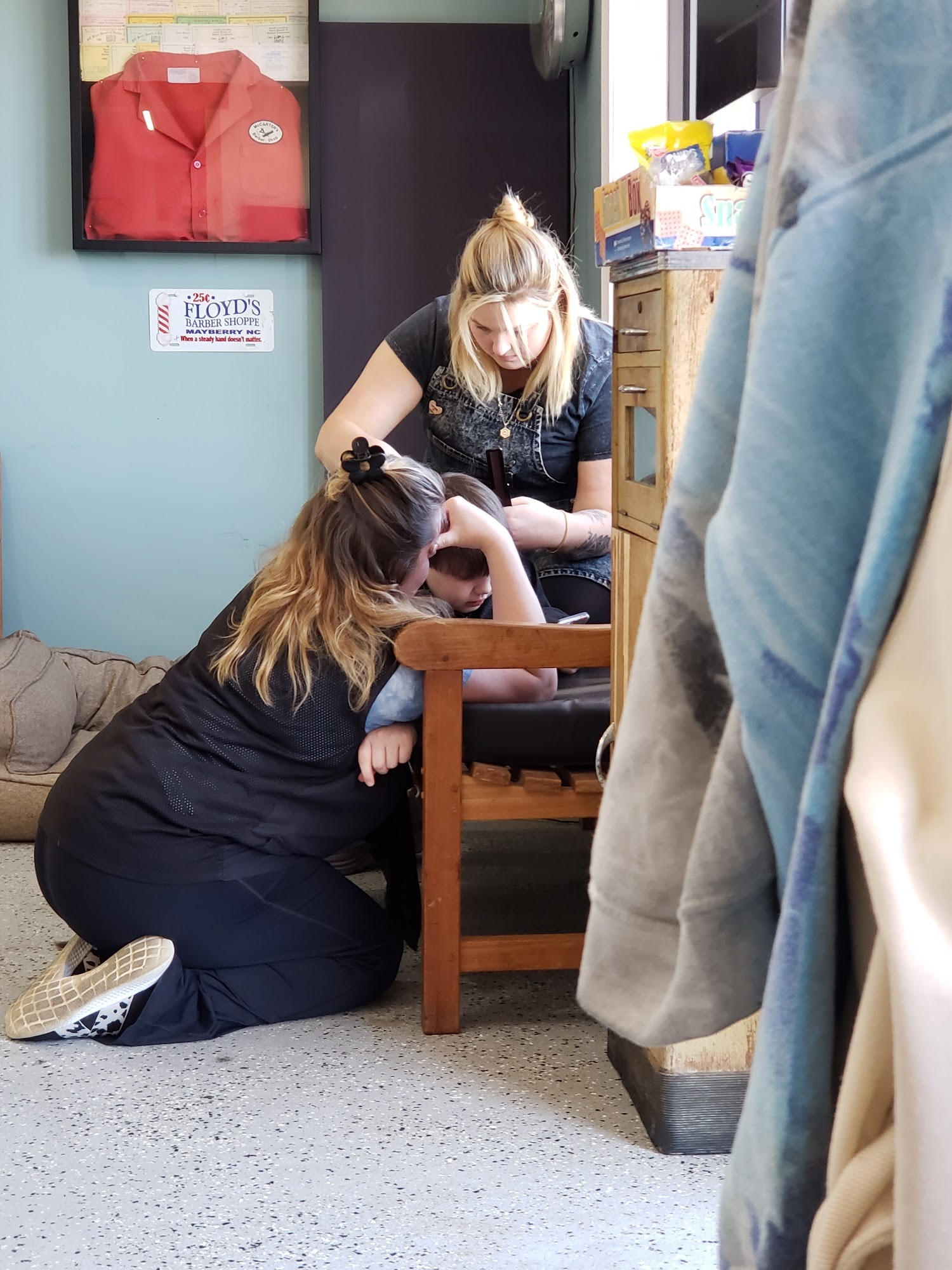
Conservative choices that still look like you
Conservative does not mean severe. A classic taper, a neat scissor cut, or a soft part all read as tidy without reading as a costume. What interviewers notice, mostly below the level of words, is disorder: hair over the ears, an uneven neckline, a beard with no edges, flakes on the shoulders. What they do not notice is whether your cut is current. That is freeing. Pick the proven version of your own hair over the fashionable version of someone else's, and keep any skin fade a few days grown in rather than razor fresh, since a fade at day three looks intentional and clean without the just cut shine on the scalp.
At Mccarter's Barber Shop, telling the barber it is for an interview changes the brief in a useful way. The barber will favor the neckline, the ears, and the finish over experimentation, and will usually err a fraction longer rather than shorter, which is the right direction when the stakes are impressions rather than style points.
The camera test matters now
Many first interviews happen on a screen, and a webcam is an unkind mirror. Overhead light makes a thin top look thinner and turns product shine into glare. Test your setup the day before at the same time of day as the interview. Sit where you will sit, look at the top of your head as the camera sees it, and adjust: matte product or none, hair pushed in the direction that shows the least scalp under that light, and a neckline that does not disappear into your collar. For an in person interview, do the equivalent in a car mirror in daylight rather than under bathroom light, because daylight is what the walk from the parking lot will show.
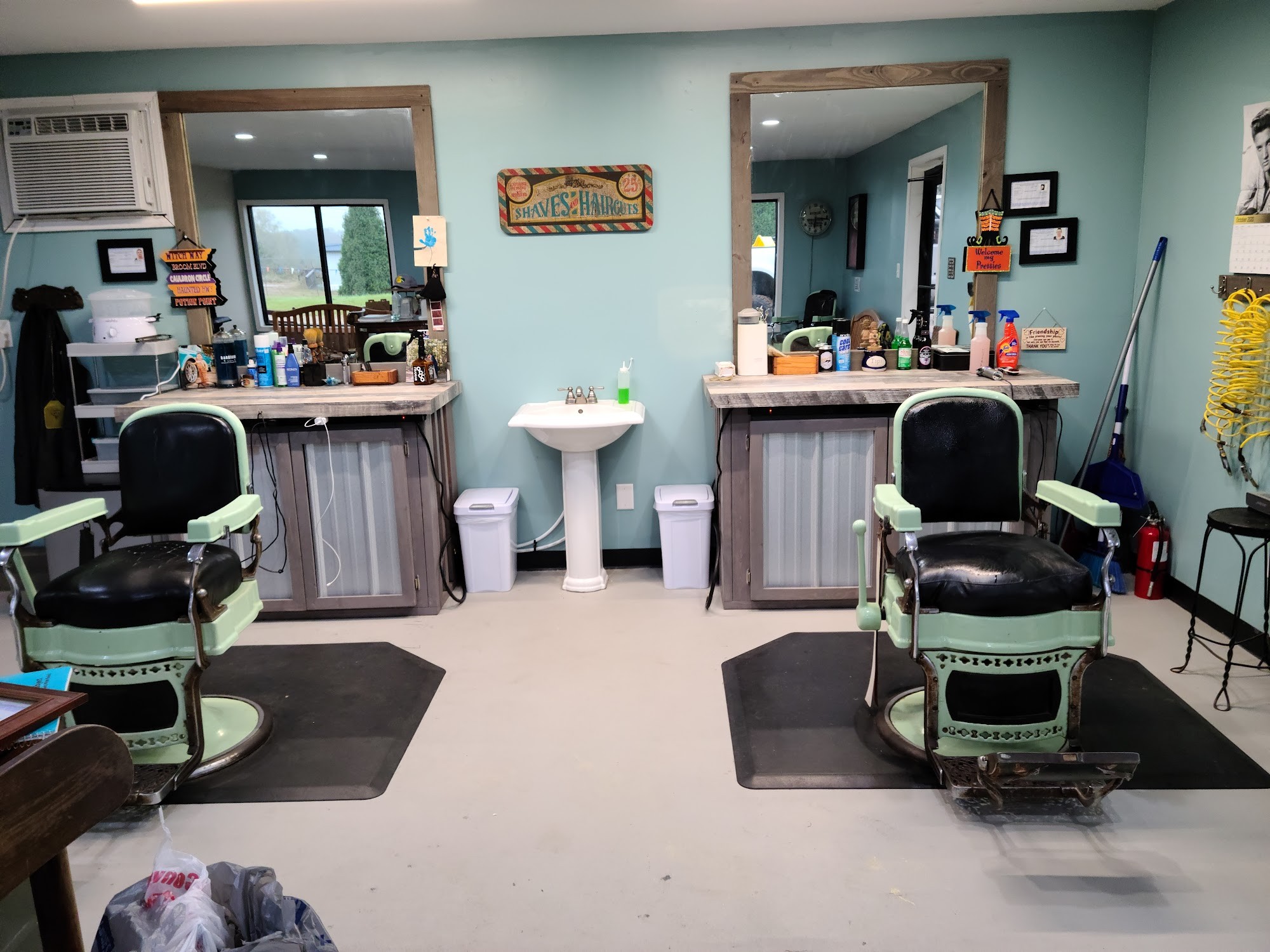
The morning itself
Keep the morning boring. Shower, style the way you practiced, and change nothing. Wetting and restyling a cut you have tested beats inventing a new method under time pressure. Check the back with a second mirror or a phone photo, check your shoulders for flakes after your jacket goes on, and bring nothing for touch-ups beyond a comb. If your beard is part of the look, its edges get one careful pass the evening before rather than a rushed one at dawn. Then stop looking at it. A candidate who keeps touching his hair reads as nervous. A candidate who forgets it reads as ready, which was the whole point of the haircut.
Common questions
How many days before an interview should I get a haircut?
Three to five days is the sweet spot. The cut settles, the scalp loses its just cut shine, and you still have the clean edges the interview needs.
Should I try a new style for an interview?
No. Wear the conservative version of your proven cut. Interviews reward tidy and familiar, and a new style adds styling guesswork on the morning it matters.
Does a beard hurt my chances?
A shaped beard with clean cheek and neck lines reads as deliberate and tidy. Unshaped growth reads as drift. Either bearded and groomed or clean shaven works.
← All guides from Mccarter's Barber Shop← Back to Mccarter's Barber Shop