A haircut later in life runs into problems nobody warns you about. Hair thins and lies differently. Skin gets thinner and nicks more easily. A neck that cannot tilt back comfortably turns the standard shampoo position into an ordeal, and clippers that felt fine at forty can feel harsh at seventy. In Clover, senior cuts go best when those facts are treated as normal inputs to the appointment, not as awkward exceptions.
Troubleshooting is the right frame, because most senior cut complaints have a specific cause and a specific fix. Itchy scalp after a cut, a style that will not sit right, irritation at the neckline: each one traces to something that can be adjusted at the next visit or handled at home in minutes.
Work the problem in steps
- Start with comfort in the chair. Mention stiff necks, hearing aids, or balance concerns before the cut starts, so the barber adjusts position, pace, and how they get your attention.
- Match tools to thinner skin. A gentler clipper approach, less pressure, and care around moles and skin tags prevents the small nicks that thin skin is prone to.
- Reassess the style against thinner hair. Styles built for thick hair fall flat. Shorter, textured cuts with soft edges usually sit better and need less product.
- Slow the neckline work down. The neck is where irritation and missed spots cluster. A careful, unhurried finish matters more than speed.
- Set a home routine that is simple. Gentle shampoo, lukewarm water, and thorough rinsing prevent most post cut itch and flaking.
- Speak up about what changed. New medication, a new skin sensitivity, a recent procedure: a barber who knows will adjust tools and products accordingly.
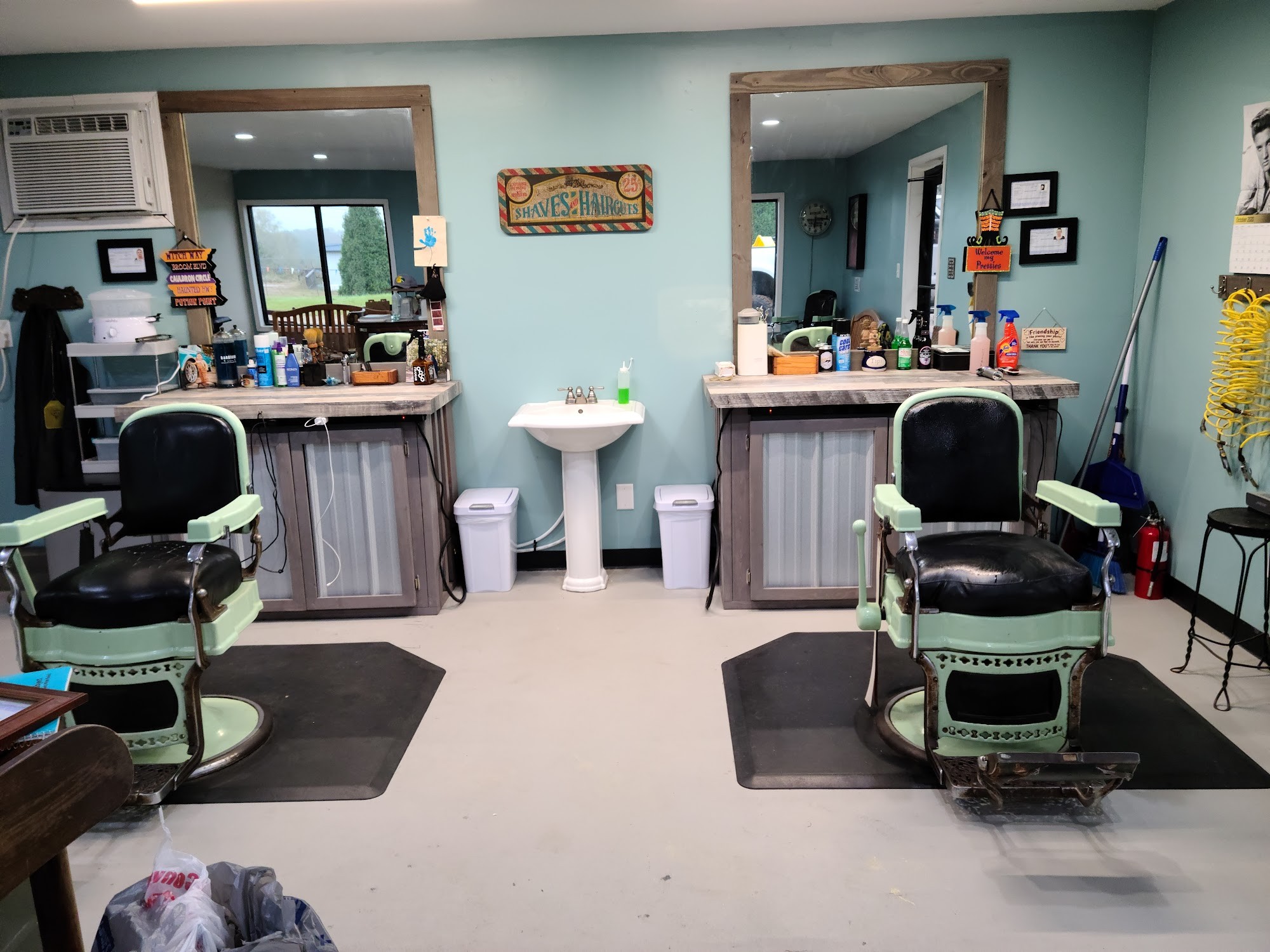
Classic styles earn their place
There is a reason the classic cuts persist for older men: they were designed for exactly this hair. A short back and sides with a little length to comb on top, a soft side part, a neat taper that does not demand a perfect blend. These styles forgive thinning, because they never relied on density to look right, and they forgive a missed week, because they grow out in the same shape they were cut in. Very short cuts can work beautifully too and are the easiest care of all, with one caution: a close cut shows every bump and spot on the scalp, so it is also a good prompt to keep an eye on any spot that is new or changing and get it looked at properly.
At Mccarter's Barber Shop, senior haircuts are a standing part of the service list, and the practical difference that makes is pace. An appointment that is not rushed gives time for the adjustments above without anyone having to ask for special treatment.
Hearing, mobility, and the small logistics
Plain talk helps here. If you wear hearing aids, tell the barber before clippers come near your ears, and expect to remove them during parts of the cut; bring the case. If getting in and out of the chair is the hard part, say so, and let the barber steady the chair and clear the space rather than performing independence at the cost of a fall. Glasses off during a cut means you cannot judge it mid way, so ask for glasses back and a mirror before the finishing touches. None of this is unusual in a shop that serves older customers daily. It is just the appointment working as it should.
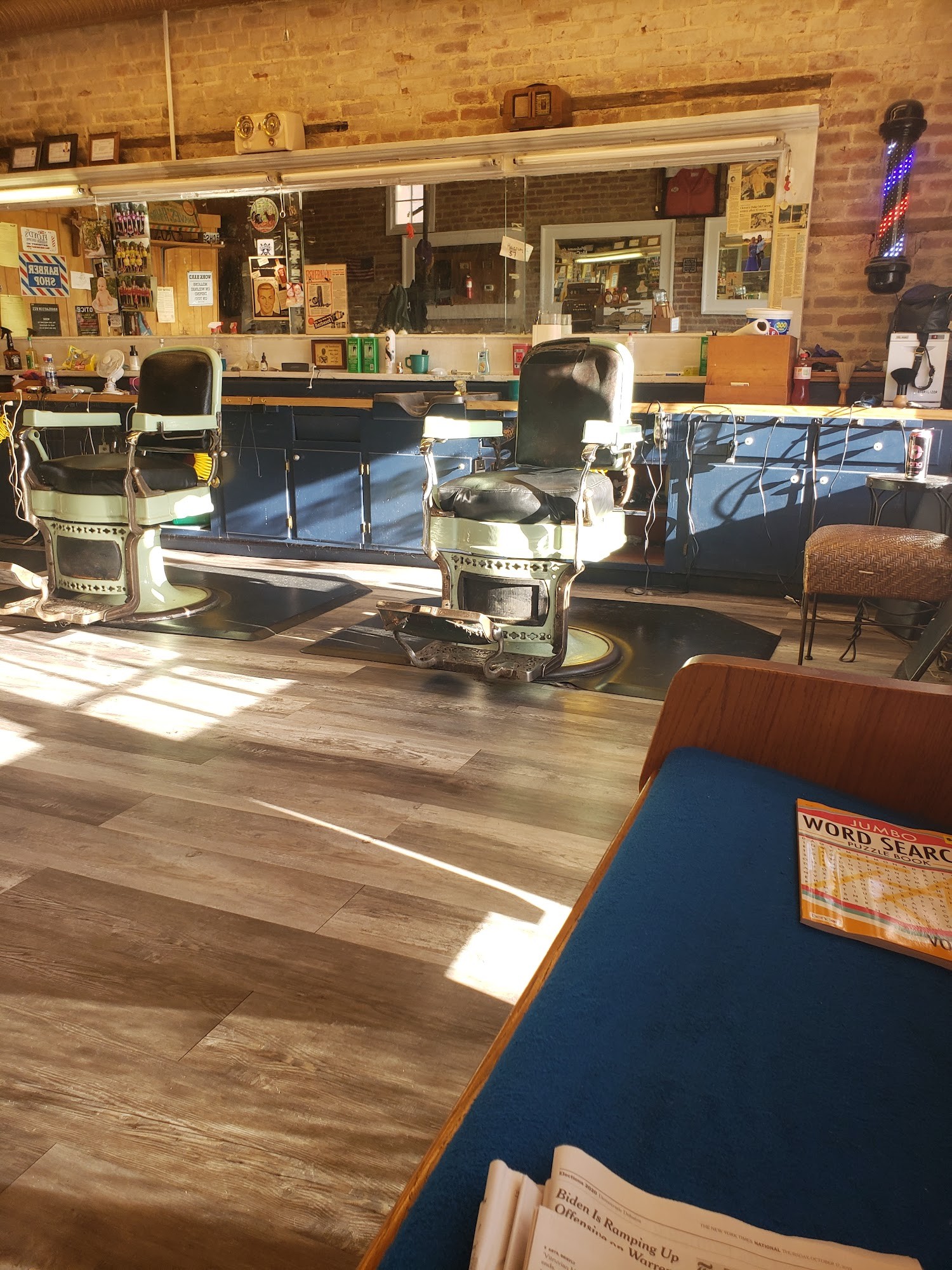
At home between visits
Thin skin and a slower routine change home care slightly. Wash gently and less often than in younger years, since overwashing dries an older scalp fast. Pat the scalp dry instead of rubbing. Keep an eye on the neckline and behind the ears, where irritation tends to start, and treat any nick with simple cleanliness and patience rather than strong products. If a cut leaves lasting redness, soreness, or a spot that does not heal, that is a clinician's question, not a barber's. A good barber will tell you the same, and will remember it at your next visit.
Common questions
What haircut suits thinning hair later in life?
Classic shorter styles with texture and soft edges sit best, because they never depended on density. A soft part or a neat taper grows out in shape as well.
Why does my scalp itch after a cut now when it never used to?
Skin gets thinner and drier with age, and small clipper irritation plus dry air adds up. Gentler washing, lukewarm water, and a slower neckline finish usually settle it.
Should I mention my hearing aids or mobility to the barber?
Yes, plainly and at the start. It lets the barber adjust pace, position, and communication, which makes the whole appointment easier and safer.
← All guides from Mccarter's Barber Shop← Back to Mccarter's Barber Shop